
Building What’s Next: Chris Cayten’s Impact on Sustainable Real Estate

From his early interest in architecture to his role helping shape sustainability programs across New York City, Chris’s career shows how technical expertise, adaptability, and meaningful client relationships can create lasting industry impact. Today, as Senior Director of Sustainability, Chris brings over 25 years of experience, leadership, and knowledge to our organization and clients.
How Chris Cayten Helped Shape the Future of Sustainable Real Estate
Chris Cayten's professional journey began with a passion for architecture. It grew into a career dedicated to sustainability, innovation, and helping shape some of the industry's most influential energy and environmental programs.
Today, Chris plays a key role in guiding strategy and business development for CodeGreen. He also helps clients navigate an increasingly complex sustainability landscape. His story combines technical expertise, entrepreneurial thinking, and a commitment to staying ahead of what's next.

Photo Description: Chris with William K Reilly, former Administrator of the EPA, at the EPA Energy Star Awards in 2013.
A Foundation Built on Architecture
Chris's interest in buildings began long before his professional career.
Inspired by the experience of working with an architect on his family's home in New Hampshire, he discovered early on that he was fascinated by designing spaces and shaping the built environment. That passion led him to earn both undergraduate and graduate architecture degrees from Yale University. He later worked for architecture firms in the United States and Hong Kong. Along the way, he contributed to large-scale projects such as the new Hong Kong airport and billion-dollar real estate projects including Moynihan Station.
As his career progressed, Chris found himself drawn to the business side of real estate. Transitioning from architecture to real estate development allowed him to take a broader role in shaping projects from concept to completion.
Discovering Sustainability at the Right Time
Following the economic downturn in 2008, Chris found himself at a professional crossroads. Encouraged by his wife, whose family has deep roots in environmental leadership, he began exploring sustainability as a career path. At the same time, green building practices and LEED certification were gaining momentum across the real estate industry.
After earning his LEED accreditation, Chris joined CodeGreen as one of the company's earliest employees. One of the people who had the greatest impact on his development was Stephen Rizzo, whose decades of industry experience helped shape CodeGreen's approach to sustainability and building performance. Stephen recognized an emerging need to help existing building owners improve sustainability and was an exceptional mentor, connecting Chris with leaders across the New York City real estate industry.
What started as a small team focused primarily on LEED certification quickly evolved into something much larger. As building owners sought ways to reduce operating costs and attract tenants, CodeGreen expanded its services to help clients improve building performance and energy efficiency.
Growing Alongside the Industry
Chris's career growth closely mirrored the evolution of CodeGreen itself.
Shortly after joining the company, he stepped into a leadership role and helped guide the organization through a period of rapid expansion. During these early years, he helped build CodeGreen's engineering team. He also expanded service offerings and positioned the company as a trusted advisor to major real estate owners.
One significant turning point came when New York City introduced new energy benchmarking and auditing requirements for large buildings. Chris worked closely with government leaders to shape the requirements of these new laws and positioned CodeGreen to educate the real estate industry on compliance strategies. Those services became a cornerstone of the company's growth and remain an important part of its work today.
As sustainability reporting evolved from individual buildings to entire portfolios, Chris helped CodeGreen adapt once again. The company became an early leader in helping organizations evaluate sustainability performance across large real estate portfolios and communicate results to investors.
Looking Ahead and Staying Ready
Chris continues to guide strategic initiatives and business development efforts.
What he enjoys most is identifying and shaping emerging trends and understanding client needs. He also helps organizations prepare for future challenges. Whether it's energy benchmarking, building performance standards, or the next major industry shift, Chris has built a career around staying one step ahead.
He also values the collaborative leadership environment that has developed within CodeGreen. Rather than relying on a single perspective, the company's growing team contributes ideas, expertise, and industry insights that help shape future strategy.
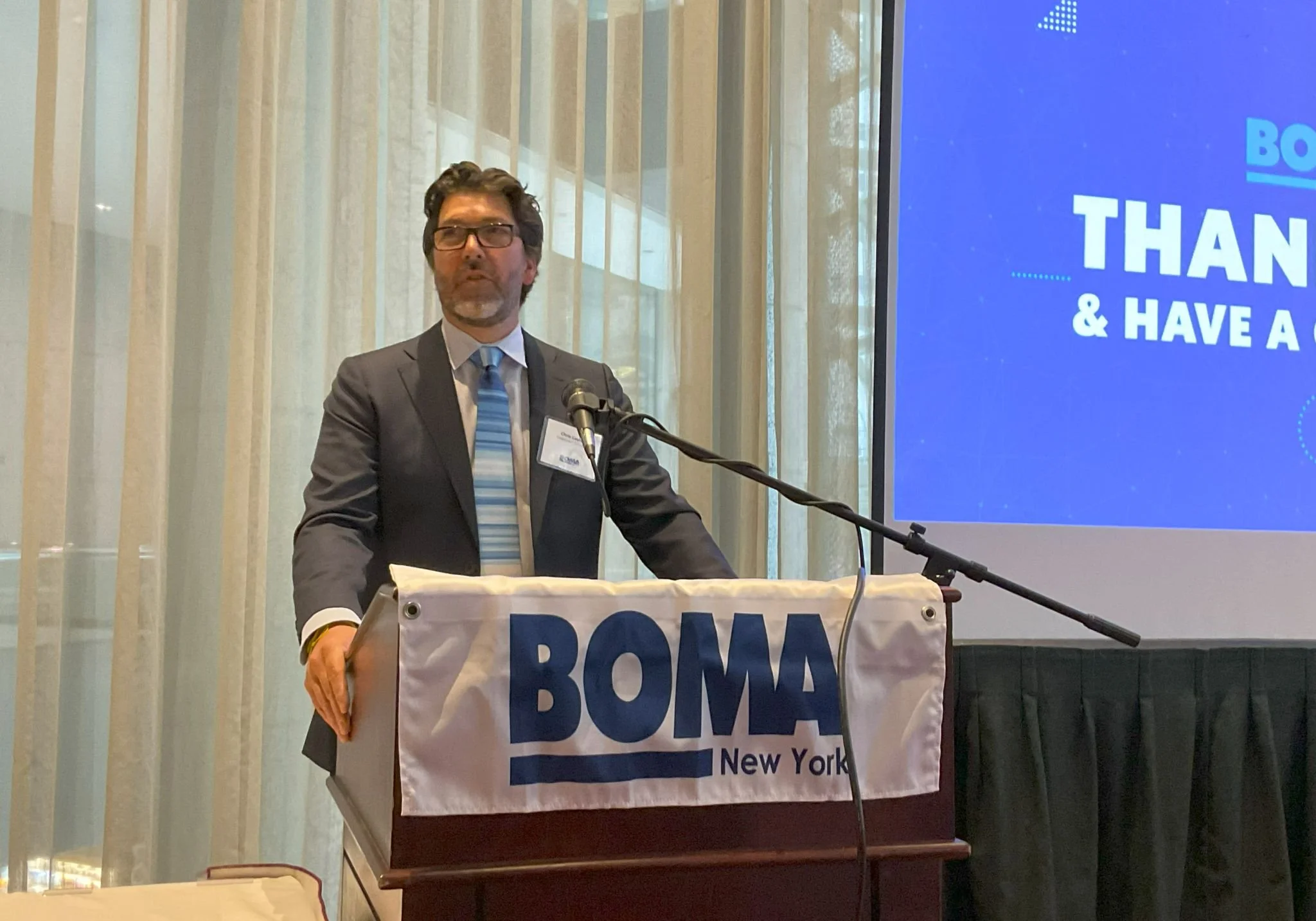
Photo Description: Chris speaking at BOMA Energy Action Day in 2023.
Making an Impact Beyond Clients
One of Chris's proudest professional accomplishments extends beyond individual projects and client engagements.
Over the years, he has worked closely with policymakers, industry organizations, and regulatory agencies to help develop sustainability programs and energy regulations. Among these efforts, he highlights his involvement in helping shape New York City's Local Law 97. The landmark climate policy is designed to reduce building emissions.
Chris also contributes to the broader sustainable real estate industry through numerous committees and leadership roles with impactful organizations. He has been a member for the REBNY sustainability committee since 2009. He has been chair of the BOMA-NY Energy and Sustainability Committee since 2021 where he leads the annual Energy Action Day conference in NYC. He is a member of the ULI New York sustainability council and joined the ULI New York Advisory Board in 2026. He is co-chair of the annual Yale Real Estate Conference.
For Chris, the ability to contribute to initiatives that influence thousands of buildings and support long-term environmental goals has been one of the most rewarding aspects of his career.
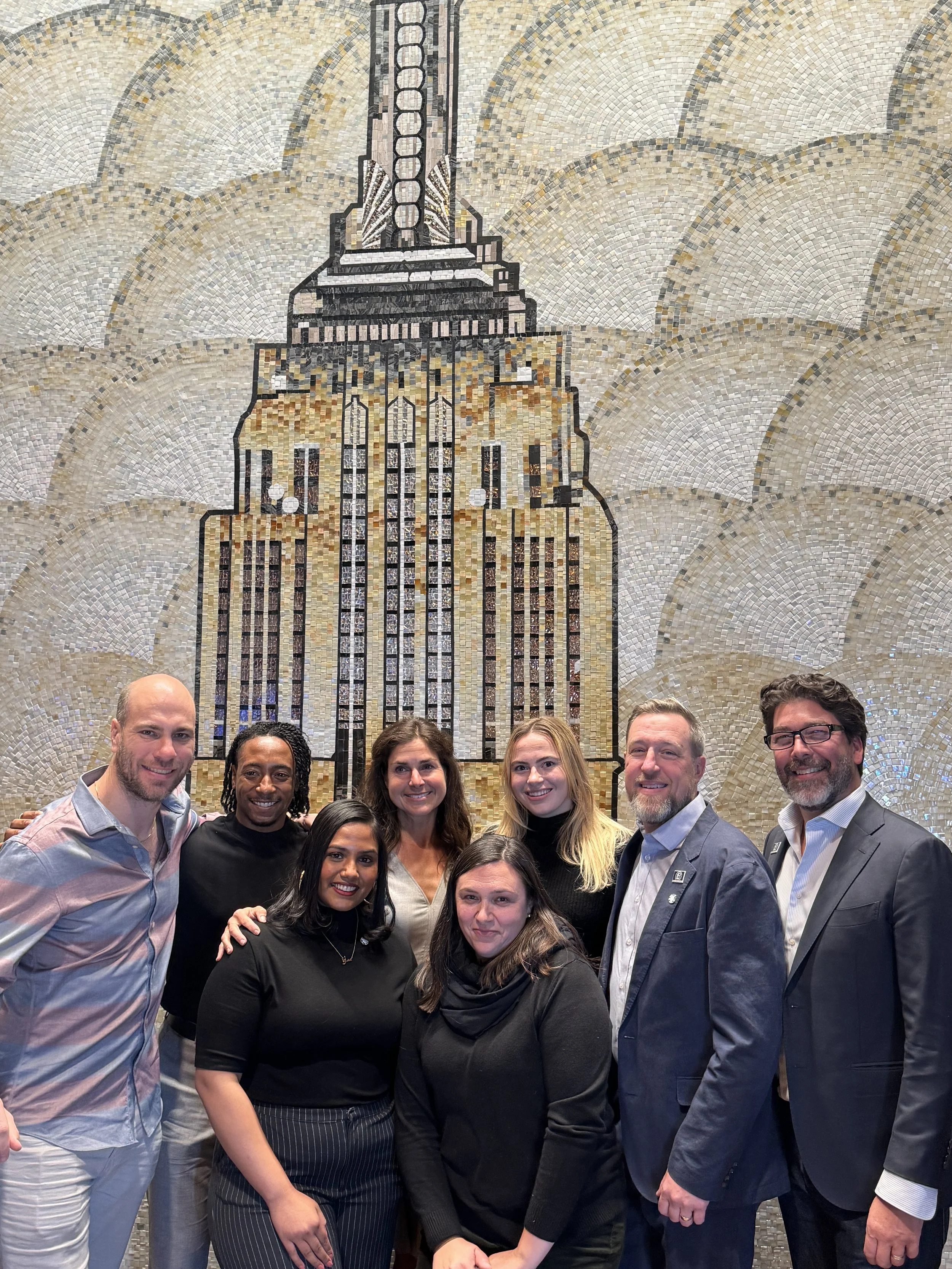
Photo Description: Chris with CodeGreen team and clients at the Empire State Building
A New Chapter Through Pinchin
Looking ahead, Chris is excited about the opportunities created through CodeGreen's growth as part of Pinchin.
Looking ahead, Chris is excited about the opportunities created by CodeGreen's integration with Pinchin. He sees tremendous potential in bringing more stages of the real estate lifecycle together under one organization. This approach allows clients to access a broader range of expertise throughout the planning, development, operation, and improvement of their assets. Today, clients also benefit from a deeper bench of specialists across the US, bringing additional expertise and resources to projects at every stage of a building's lifecycle. While significant progress has already been made, Chris believes there is still significant opportunity to expand collaboration and create even greater value for clients.
Advice for Future Sustainability Leaders
For those considering a career in sustainability, Chris emphasizes two key areas of focus: building relationships and understanding business fundamentals.
He encourages young professionals to get involved in industry organizations, attend events, and create meaningful connections with peers and mentors. Organizations such as BOMA have played an important role in his own professional development. They continue to offer valuable opportunities for learning and networking. The connections he has made with leaders from public and private sector, NGOs, educators and policymakers have enabled him to have a bigger impact in the industry.
Just as importantly, Chris recommends developing a strong understanding of how real estate businesses operate. Knowing how owners, investors, and stakeholders make decisions helps sustainability professionals connect environmental goals with business objectives. It also allows them to create solutions that deliver meaningful value.