NYC Community Right-to-Know Compliance: What Facilities Need to Know
Hazardous substances can create serious compliance responsibilities for commercial, industrial, and public facilities across New York City. Under the NYC Community Right-to-Know (RTK) Law, certain facilities must report hazardous substances annually to help support transparency, emergency preparedness, and regulatory compliance.
Annual RTK Filing: A March 1 Deadline Facilities Should Not Miss
Under New York City's Community Right-to-Know Law (Local Law 26 of 1988), commercial, industrial, and public facilities that use, store, process, or handle hazardous substances at or above established threshold reporting quantities (TRQs) must submit a Facility Inventory Form (FIF) each year by March 1. The filing covers hazardous substances present during the previous calendar year and helps support emergency preparedness and community awareness.
CodeGreen helps facilities identify reportable substances, compile the required documentation, and prepare annual RTK filings to meet reporting requirements.
Could Your Facility Be Required to File?
The Community Right-to-Know Act defines a hazardous substance as “any chemical which is a physical hazard or health hazard, and which is listed on a hazardous substance list or special health hazard list.” Chemicals that may need to be reported, even if present for as little as one day, include perchloroethylene and tetrachlorethylene, glycol ethers, gas, oil, flammable liquids, hydrogen fluoride, anti-freeze, battery fluid, and sulfuric acid.
The law applies to facility owners, tenants, and lessees that fall into categories such as:
Commercial buildings, businesses, hotels, and nursing homes
Utilities, industrial, or commercial enterprises
Auto body shops and automobile service stations
Dry cleaners
Funeral homes
Why RTK Reporting Matters Before Issues Escalate
If hazardous substances in your building are found to exist above the Threshold Planning Quantity (TPQ), your facility may be required to pay a fee and complete and file a Risk Management Plan. If the substances fall below the TPQ, your facility could be exempted.
How CodeGreen Supports RTK Compliance
When urgent environmental challenges arise, clients need a team that can respond quickly, work efficiently, and understand the unique demands of New York City projects. CodeGreen’s experienced environmental professionals bring technical expertise across industrial hygiene, asbestos and lead inspections, hydrogeology, geology, chemistry, and engineering to support clients when timing, accuracy, and compliance matter most.
That same responsive, detail-oriented approach guides our RTK compliance services. From chemical inventory site surveys and Safety Data Sheet compilation to Facility Inventory preparation for electronic filing and OSHA Hazard Communication Program support, CodeGreen helps facilities gather the information they need and stay prepared for annual reporting requirements.
Ready to make sure your facility is prepared for NYC Community Right-to-Know reporting?
Connect with CodeGreen to review your hazardous substance inventory, confirm filing requirements, and stay ahead of the March 1 deadline.
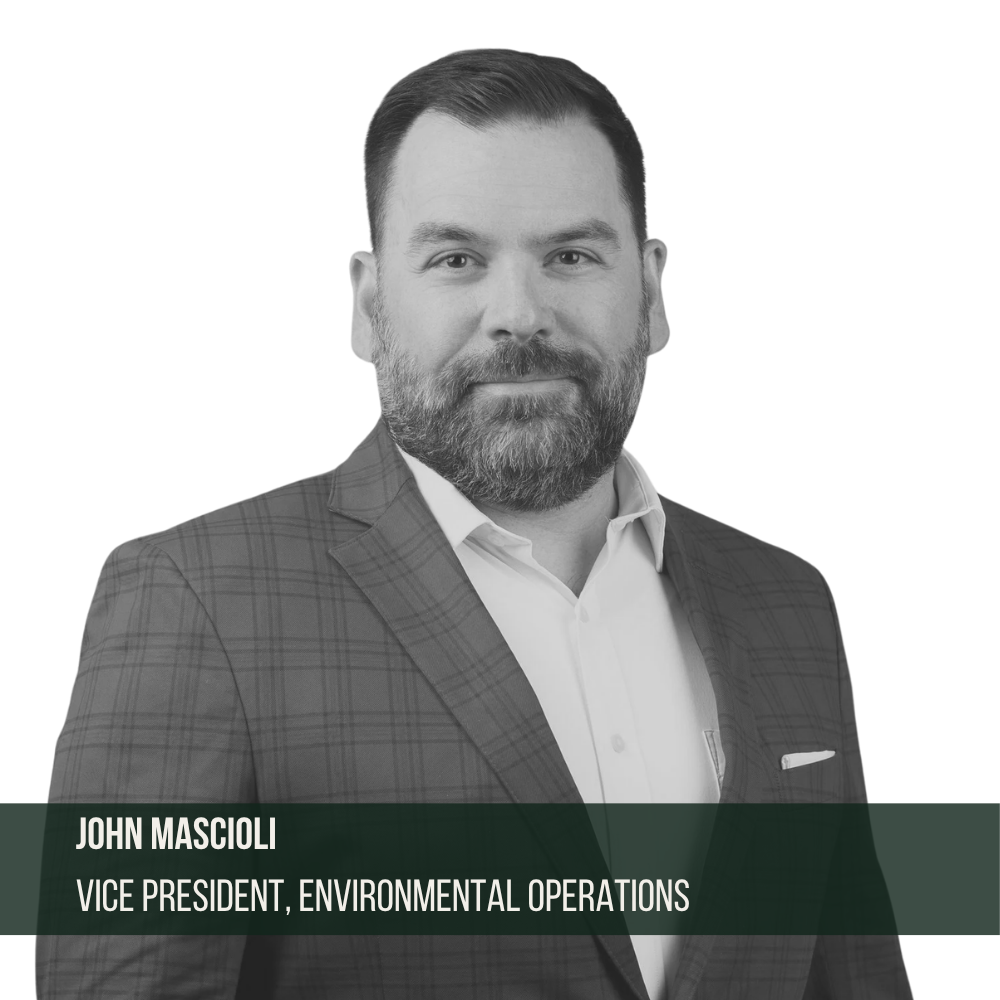
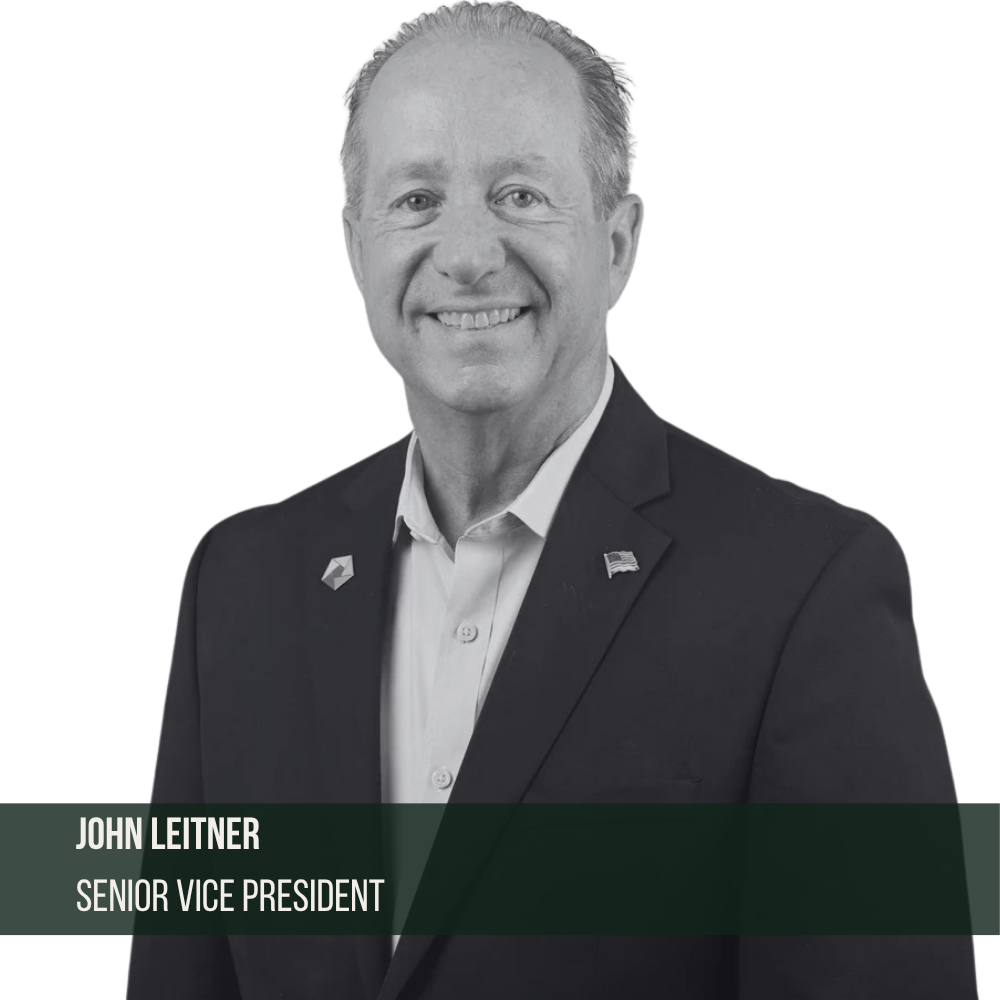
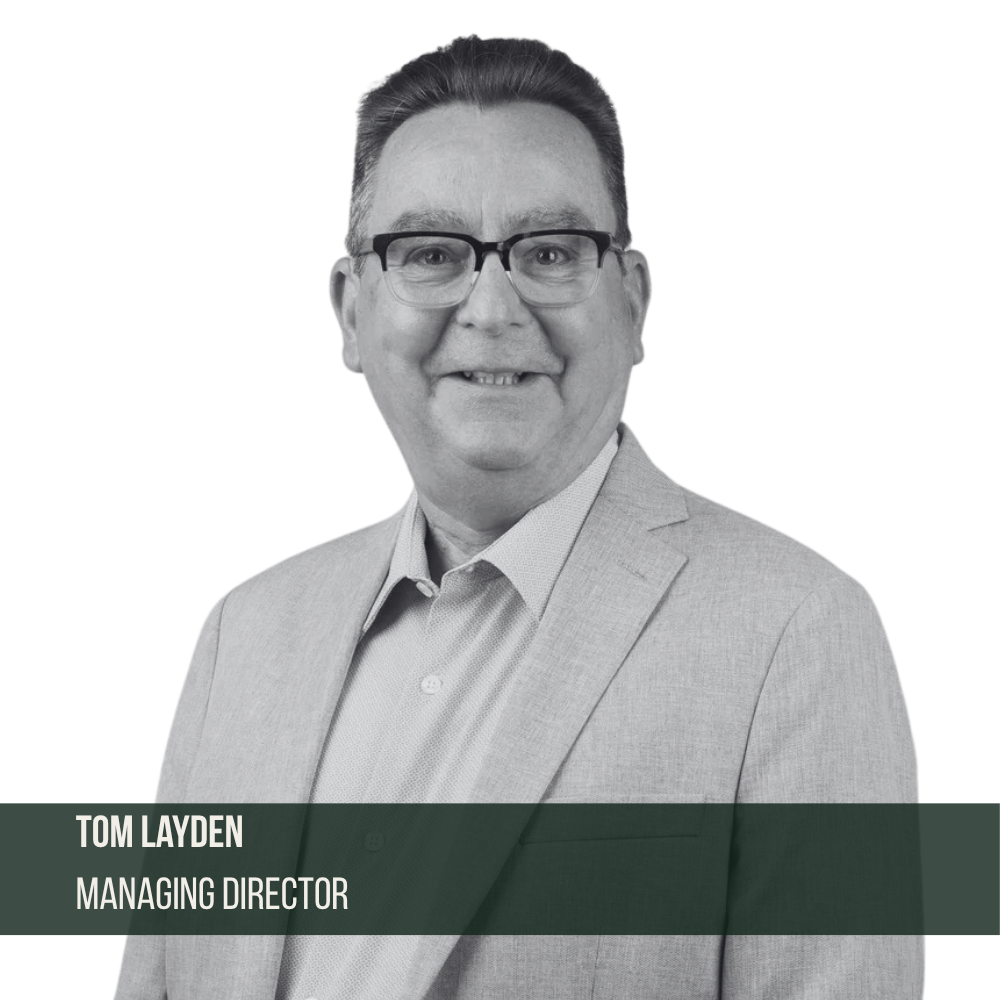
Meet the Environmental Team at CodeGreen