
Washington, DC’s Building Energy Performance Standards (BEPS) are reshaping how large buildings manage energy, plan capital improvements, and reduce carbon emissions. Established under the Clean Energy DC Omnibus Amendment Act, DC’s BEPS requires covered buildings to meet specific energy performance targets every five years, with the city aiming for net‑zero carbon by 2045.
If you own or manage property in the district, here’s what you need to know.
What Is DC BEPS?
DC BEPS goes beyond annual energy benchmarking by setting mandatory energy performance standards based on building type and size, measured by Energy Use Intensity (EUI) or ENERGY STAR scores. Buildings that don’t meet their targets must take corrective action—or face penalties.
Key facts at a glance
Size threshold: ≥ 10,000 sq ft
First compliance cycle: 2026–2030
Phase 1 buildings: ~3,900
Long‑term goal: Net‑zero carbon by 2045
Which Buildings Are Covered?
Cycle 1 (50,000+ sq ft)
Office buildings
Hotels and lodging
Large multifamily residential properties
Cycle ends in 2026 with reporting in May of 2027
Cycle 2 (25,000–49,999 sq ft)
Annual benchmarking began 2022
First compliance cycle with performance limits: 2028–2032
Cycle 3 (10,000–24,999 sq ft)
Annual benchmarking begins in 2026
First compliance cycle with performance limits: 2034–2038
Some properties, such as houses of worship, single‑family homes, and certain affordable housing, may qualify for exemptions or extended timelines.
How Building Owners Can Comply
Building owners have three compliance pathways under DC BEPS:
Meet the Energy Performance Standard (Preferred)
Reduce energy use through efficiency upgrades and operational improvements to meet required EUI or ENERGY STAR targets by the end of the compliance cycle.
Best for: Buildings already undergoing energy upgrades.
Submit a Compliance Action Plan (CAP)
If targets can’t be met on time, owners may submit a DOEE‑approved plan outlining energy projects and timelines to achieve compliance.
Best for: Buildings with upcoming capital projects.
Pay an Alternative Compliance Payment (ACP)
Update August 11, 2026: DOEE now provides a formal mechanism allowing owners to direct ACP dollars into efficiency projects instead of paying the entire penalty.
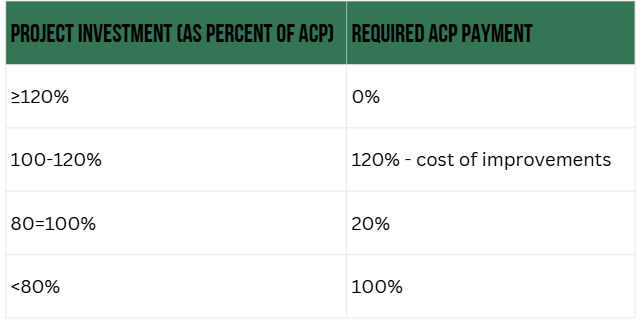
Best for: Accelerating Planned Capital Projects - Leveraging penalty payments towards efficiency improvements
Other Key Updates from August 11,2026 BEPS Guidebook version 1.2:
Expanded framework for demonstrating financial stress for an asset including DSCR increase to 1.15
DC BEPS scores will be aligned to the Energy Star 2021 methodologies and not adjusted for current or future Energy Star updates
Energy efficiency measures cannot include replacement or installation fuel-burning equipment (auxiliary equipment replacement is still acceptable)
Key Deadlines to Know
April 1 (every year): ENERGY STAR benchmarking due
2026: Phase 1 compliance cycle begins
December 31, 2030: Phase 1 Cycle 1 compliance deadline
2045: Citywide net‑zero carbon target
Missing deadlines or failing to comply can result in daily fines and escalating penalties.
How CodeGreen Helps DC Building Owners
DC BEPS compliance isn’t a one‑time task—it’s a long‑term performance strategy. CodeGreen helps building owners stay compliant by providing:
ENERGY STAR benchmarking and reporting
BEPS screening and exemption analysis
Energy audits and EUI gap assessments
Compliance pathway selection and Compliance Action Plan (CAP) development
Long‑term energy efficiency and decarbonization support and commissioning
With experience supporting buildings across DC, CodeGreen helps owners improve building performance, reduce energy use and develop long-term compliance strategies as standards continue to tighten.
Plan Ahead for DC BEPS
Whether you’re preparing for the 2026–2030 compliance cycle or benchmarking a property for the first time, early action makes compliance simpler—and more cost‑effective.
Need help navigating DC BEPS?
CodeGreen partners with building owners to turn complex regulations into clear, actionable compliance strategies.